Coinbase CEO Warns U.S. Debt Could Lead to Bitcoin Replacing the Dollar
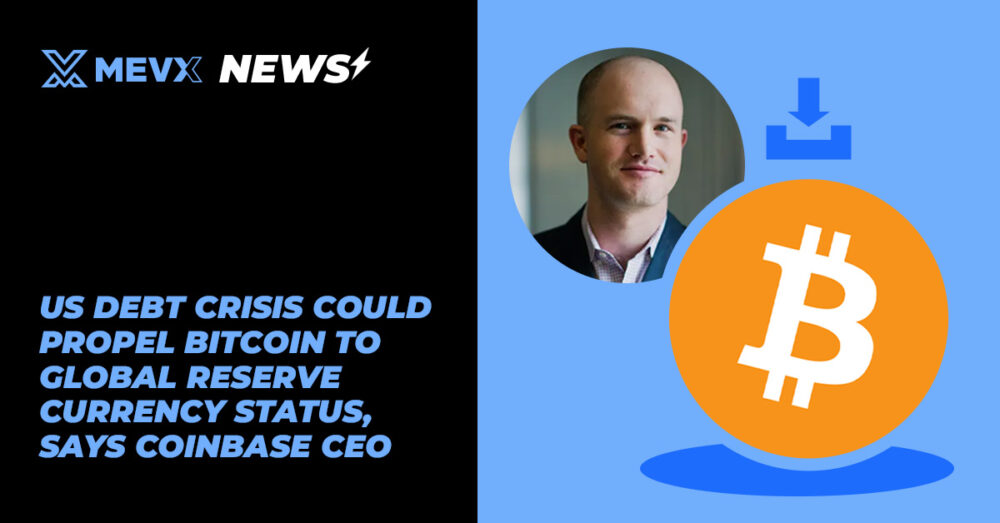
Coinbase CEO Brian Armstrong has voiced concerns about the growing U.S. national debt and its potential impact on the dollar's status as the world's reserve currency. Armstrong suggests that if the U.S. government fails to address its $37 trillion debt, Bitcoin could emerge as the new global standard. His warning comes amid increasing anxieties over fiscal policy and the ongoing trend of de-dollarization.
Armstrong's Concerns About U.S. Fiscal Policy
Armstrong's statement, made on June 4, 2025, coincided with the House Republicans passing a bill that extends tax credits, increases defense spending, and cuts programs such as Medicaid and food aid. This bill has been criticized for potentially exacerbating the national debt. In a tweet, Armstrong expressed his apprehension, stating, "I love Bitcoin, but having a strong America is very important to the world, as well. We need to get our finances under control." This reflects a nuanced view, acknowledging Bitcoin's potential while emphasizing the importance of a stable U.S. economy.
The Eroding Confidence in the Dollar
Armstrong's warning is set against a backdrop of declining confidence in the dollar due to the escalating U.S. debt crisis. States like New Hampshire and Arizona are exploring Bitcoin-related initiatives, suggesting a broader shift in perspective. New Hampshire Representative Keith Ammon told Decrypt that states are competing not only with each other but also with a federal government that might resort to printing money to manage its debt, which ultimately threatens the dollar's long-term value.
Criticism of the Fiscal Policy
The fiscal policy enacted has drawn criticism from various economic experts. Six Nobel Prize-winning economists, including Paul Krugman and Joseph Stiglitz, penned a letter in June arguing that the bill could exacerbate inequality and increase public debt by over $3 trillion if its provisions become permanent. Tesla CEO Elon Musk also weighed in, labeling the bill a "disgusting abomination," highlighting widespread dissatisfaction with its potential consequences.
De-dollarization and Bitcoin's Role
The Senate's future actions regarding this bill could accelerate the de-dollarization trend. Critics like Kadan Stadelmann, CTO of Komodo Platform, argue that Bitcoin, created in response to the 2008 financial crisis, offers an alternative to fiat currencies that contribute to increasing debt. Stadelmann explained to Decrypt that Bitcoin's limited supply and its inherent resistance to inflation position it as a potential safe haven. He suggests that if the dollar were to collapse, Bitcoin could experience a supply crunch due to increased demand.
The Future of the Global Reserve Currency
The debate around the dollar's future as the global reserve currency is complex. While Bitcoin offers a decentralized alternative with a fixed supply, its volatility and regulatory uncertainties remain significant hurdles.
The Path Forward
Whether Bitcoin will ultimately replace the dollar as the world's reserve currency remains to be seen. However, Armstrong's warning highlights the urgency of addressing the U.S. national debt and ensuring the long-term stability of the American economy. A sound fiscal policy, coupled with responsible economic management, is crucial to maintaining confidence in the dollar and preventing a potential shift towards alternative currencies like Bitcoin. The coming years will be critical in determining the future of the global financial landscape.


Comments
Post a Comment